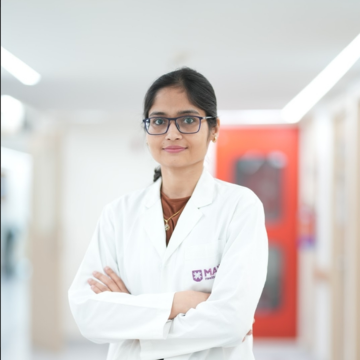
Dr. Jyoti Singh is a skilled Neurologist at Max Super Speciality Hospital, Dwarka,specializing in stroke, epilepsy, headaches, and dementia.
Dr. Jyoti Singh

A Message from the Doctor
The brain and nervous system influence every aspect of our daily lives—from movement and memory to speech, emotions, and overall wellbeing. When neurological symptoms arise, timely diagnosis and appropriate treatment can make a significant difference in preserving function and improving quality of life.

As a Neurologist, my approach is centered on compassionate care, clinical excellence, and evidence-based medicine. Whether you are experiencing headaches, seizures, stroke-related symptoms, movement disorders, memory concerns, neuropathy, or other neurological conditions, I believe in providing personalized care tailored to your individual needs.

Neurological illnesses can often be challenging for both patients and their families. My goal is to ensure that every patient receives a thorough evaluation, a clear understanding of their condition, and access to the most appropriate treatment options. I strongly believe that patient education and shared decision-making are essential components of successful care.

Together, we can work toward better neurological health, improved function, greater independence, and an enhanced quality of life.

– Dr. Jyoti Singh
Consultant Neurologist
  • 8+

    Years of Experience

  • 500+

    Patients Healed With Stroke

  • 200+

    Patients Treated With Various Moment Disorders

  • 5K+

    Lives Touched and Beyond

Our Healthcare Services

Advanced Neurological Care for Complex Brain and Nerve Disorders
Advanced Neurological Care for Complex Brain and Nerve Disorders
Parkinson’s Disease and Movement Disorders Treatment
Advanced Neurological Care for Complex Brain and Nerve Disorders
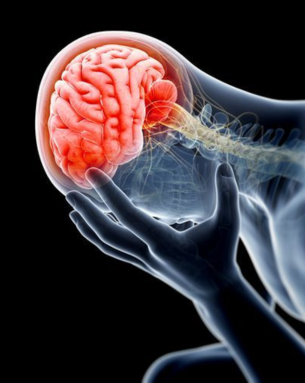
Migraine and Headache Management
Advanced Neurological Care for Complex Brain and Nerve Disorders
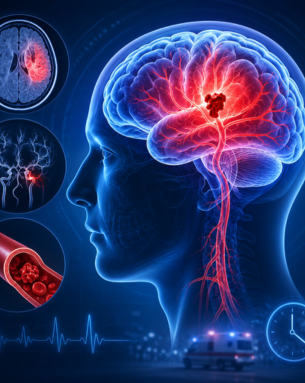
Stroke Diagnosis and Treatment
Advanced Neurological Care for Complex Brain and Nerve Disorders
Epilepsy Management
Advanced Neurological Care for Complex Brain and Nerve Disorders
Dementia and Neurodegenerative Disorders
Advanced Neurological Care for Complex Brain and Nerve Disorders
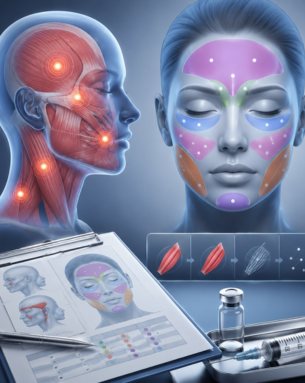
Neuroimmunology Care
Advanced Neurological Care for Complex Brain and Nerve Disorders
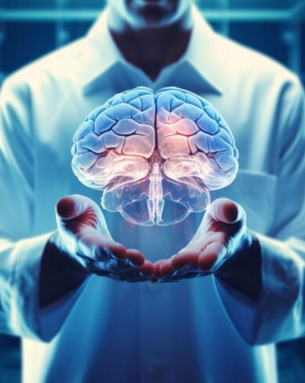
Botox Therapy for Neurological Conditions
Advanced Neurological Care for Complex Brain and Nerve Disorders
Acute Neurological Emergency Care

Dr. Jyoti Singh

Neurologist

Call
Video Call
In person
Dr. Jyoti Singh
Qualification:MBBS, DNB Medicine, DrNB Neurology
Experience:8.0 Years
Licence No.:DMC-13652
Dr. Jyoti Singh is a highly skilled Neurologist with specialized expertise in the diagnosis and management of a broad spectrum of neurological disorders. She completed her MBBS from Kasturba Medical College, Manipal, followed by DNB in General Medicine from Maharaja Agrasen Hospital, Delhi, and DNB in Neurology from the prestigious Indraprastha Apollo Hospital, New Delhi. She is currently associated with Max Super Speciality Hospital, Dwarka where she provides comprehensive neurological care to patients with both common and complex neurological conditions. Her areas of expertise include stroke management, epilepsy, migraine and headache disorders, Parkinson’s disease, movement disorders, dementia, neurodegenerative diseases, neuromuscular disorders, and neuroimmunological conditions. Dr. Jyoti is known for her evidence-based approach, clinical precision, and commitment to early diagnosis and individualized treatment planning. With a patient-centric philosophy, she emphasizes clear communication, patient education, and shared decision-making. Her goal is to improve neurological health, preserve independence, and enhance quality of life through compassionate, personalized, and advanced neurological care.

Testimonials

What our Patients says about us

We consulted Dr. Jyoti Singh for my father's Parkinson's disease after struggling with worsening tremors and stiffness. She patiently listened to our concerns, conducted a detailed evaluation, and explained the condition in a very clear and reassuring manner. Her treatment plan has significantly improved his mobility and quality of life. What truly stands out is her compassionate approach and willingness to answer every question. We are extremely grateful for her expertise and highly recommend her to anyone seeking neurological care."

Anita Sharma, Dwarka

I had been suffering from severe migraines for several years and had tried multiple treatments with limited relief. Dr. Jyoti Singh took the time to understand my symptoms, identify triggers, and develop a personalized treatment plan. Within a few months, the frequency and intensity of my headaches reduced dramatically. She is knowledgeable, approachable, and genuinely cares about her patients. I highly recommend Dr. Jyoti to anyone looking for an experienced neurologist.

Rahul Verma, New Delhi

My mother was diagnosed with an early-stage memory disorder, and our family was extremely anxious about the future. Dr. Jyoti Singh guided us through every step with remarkable patience, professionalism, and empathy. Her thorough assessment and clear explanations helped us understand the condition and treatment options. She focuses not only on medical management but also on supporting patients and families emotionally. We feel fortunate to have found such a dedicated and compassionate neurologist.

Neha Gupta, Delhi NCR

Frequently Asked Questions

Need Answers? Find them here...

You should consult a neurologist if you experience persistent headaches, dizziness, seizures, numbness, weakness, memory problems, tremors, balance issues, difficulty speaking, or sudden neurological symptoms. Early neurological evaluation is important for diagnosing conditions such as stroke, epilepsy, Parkinson’s disease, neuropathy, and dementia. Timely intervention can help prevent complications, improve treatment outcomes, and preserve neurological function. A comprehensive neurological assessment helps identify the underlying cause and guides appropriate treatment.

Common warning signs of stroke include sudden weakness or numbness on one side of the body, facial drooping, difficulty speaking, vision disturbances, severe headache, dizziness, and loss of balance. Stroke is a medical emergency requiring immediate treatment. Early diagnosis and intervention can significantly reduce brain damage and improve recovery outcomes. Anyone experiencing stroke symptoms should seek emergency medical attention without delay.

Migraines are a neurological disorder characterized by recurrent headaches that are often severe and may be accompanied by nausea, vomiting, light sensitivity, sound sensitivity, and visual disturbances. Unlike regular headaches, migraines can significantly impact daily activities and quality of life. Identifying triggers and receiving appropriate preventive and acute treatment can help reduce attack frequency and severity while improving overall wellbeing.

Epilepsy is a neurological condition characterized by recurrent, unprovoked seizures caused by abnormal electrical activity in the brain. Causes may include genetic factors, head injury, stroke, infections, developmental disorders, or structural brain abnormalities. Accurate diagnosis through neurological evaluation, EEG, and imaging studies is essential. Most patients achieve good seizure control with appropriate medications and ongoing neurological care.

Parkinson’s disease is a progressive neurological disorder affecting movement, causing symptoms such as tremors, stiffness, slowness of movement, and balance difficulties. Movement disorders also include dystonia, essential tremor, and other conditions affecting muscle control. Early diagnosis and personalized treatment can help manage symptoms effectively, maintain independence, and improve quality of life through medications, rehabilitation, and advanced therapies when needed.

Occasional forgetfulness can be a normal part of aging, but persistent memory loss, confusion, difficulty performing daily tasks, language problems, or behavioral changes should be evaluated by a neurologist. These symptoms may indicate dementia, Alzheimer's disease, or other neurodegenerative conditions. Early diagnosis allows timely intervention, appropriate treatment, cognitive support, and better long-term planning for patients and families.

Neuromuscular disorders affect the nerves, muscles, or the communication between them. Common conditions include peripheral neuropathy, myopathy, myasthenia gravis, and motor neuron diseases. Symptoms may include muscle weakness, numbness, tingling, fatigue, cramps, or difficulty walking. Specialized investigations such as nerve conduction studies (NCV), electromyography (EMG), and muscle biopsies help establish an accurate diagnosis and guide treatment.

Neuroimmunology focuses on neurological disorders caused by immune system dysfunction affecting the brain, spinal cord, or nerves. Conditions such as multiple sclerosis, autoimmune encephalitis, neuromyelitis optica, and inflammatory neuropathies fall within this specialty. Early recognition and treatment are essential to prevent neurological damage and disability. Modern immunotherapy and disease-modifying treatments can significantly improve long-term outcomes for many patients.

Botulinum toxin (Botox) therapy is used to treat several neurological conditions including chronic migraine, cervical dystonia, hemifacial spasm, spasticity, and certain movement disorders. Botox works by temporarily relaxing overactive muscles or blocking pain-related nerve signals. Treatment is performed through carefully targeted injections and is generally well tolerated. Many patients experience significant symptom relief and improved quality of life following therapy.

Neurologists may recommend investigations such as MRI brain and spine scans, CT scans, EEG, nerve conduction studies (NCV), electromyography (EMG), blood tests, lumbar puncture, and neurocognitive assessments. The choice of investigation depends on the patient's symptoms and suspected diagnosis. These tests help identify neurological disorders accurately and support the development of personalized treatment plans.

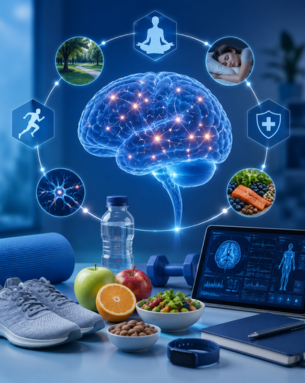
While not all neurological diseases can be prevented, many risk factors can be modified. Maintaining healthy blood pressure, controlling diabetes, exercising regularly, avoiding tobacco, managing cholesterol levels, getting adequate sleep, and seeking timely medical care can reduce the risk of stroke, dementia, neuropathy, and other neurological conditions. Preventive neurological care focuses on early detection, risk factor management, and long-term brain health.

Dr. Jyoti Singh is a highly qualified Neurologist with advanced training from Indraprastha Apollo Hospital, New Delhi, and extensive expertise in stroke, epilepsy, migraine, Parkinson’s disease, dementia, neuromuscular disorders, and neuroimmunological conditions. Her evidence-based approach, thorough evaluation, and patient-centered care ensure individualized treatment for every patient. She is committed to helping patients achieve better neurological health, improved function, and enhanced quality of life.

Location & Location Map

Location
addressAddress

Max Super Speciality Hospital Plot No. 1, Sector 10 Dwarka, Dwarka, Delhi 110075, Delhi

  • Social Media Connect:

Working Hours

MONDAYClosed
TUESDAYClosed
WEDNESDAYClosed
THURSDAYClosed
FRIDAYClosed
SATURDAYClosed
SUNDAYClosed

Contact Us

Contact Us

  • Email: jyoti22nov@gmail.com
  • Phone: 9910049937

Social Media connect:

Website Powered by icareheal

© Dr. Jyoti Singh 2025